
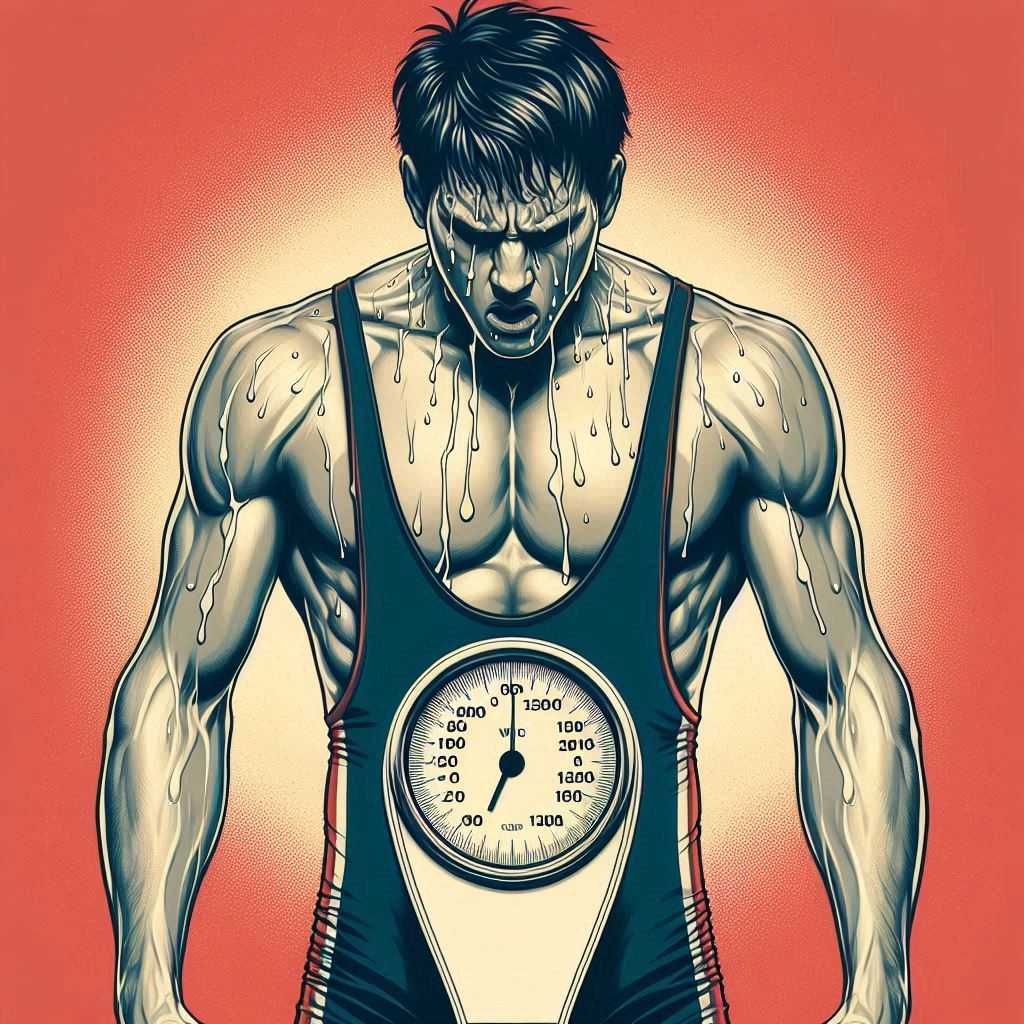
**The purpose of this article is to inform and educate high school wrestlers and their parents, We at PonyBoy don’t believe middle school and elementary school wrestlers should be cutting weight yet**
With the season coming up right around the corner we thought it would be a good idea to talk about both the positives and negatives of cutting weight in this great sport. When it is done right cutting weight to drop to a lower weight class has several advantages, which you will read in more detail below. When mismanaged and done poorly cutting weight can have several risks involved, the least detrimental being a poor performance during a tournament. Either way you lean, make sure you are doing whats best for you and your wrestler this season.
Wrestling, both at the amateur and professional levels, often involves athletes engaging in weight-cutting practices to compete in lower weight classes. The practice, while potentially beneficial for gaining a competitive edge, has sparked significant debate due to its implications for athletes’ health and performance. This essay explores the arguments for and against cutting weight in wrestling, drawing on different resources to provide a complete analysis of the issue.
The Pros
- Competitive Advantage
One of the primary arguments in favor of weight-cutting is the potential for a competitive advantage. Athletes who successfully cut weight and then rehydrate can gain a significant size and strength advantage over their opponents who have not engaged in weight-cutting practices. According to a study by Baker et al. (2017), wrestlers who cut weight often experience increases in muscle mass and strength relative to their opponents who have not undergone similar practices. This advantage can be critical in a sport where physical dominance is key to success.
- Enhanced Performance
Cutting weight can potentially enhance performance in the short term. A study by Peterson, Heaton, and Cook (2019) found that athletes who effectively managed their weight-cutting strategies were able to maintain or even improve their performance levels in the short term. The researchers noted that when executed properly, weight cutting could lead to improved performance metrics, such as increased speed and agility, due to the reduced weight class competition. This benefit is particularly valuable in a sport where fractions of a second or slight advantages in strength can determine the outcome of a match.
- Psychological Benefits
For some athletes, cutting weight provides psychological benefits. Competing in a lower weight class can boost an athlete’s confidence and self-esteem. According to a study by Sargent and Dufresne (2020), athletes who cut weight and achieve their targeted weight class often experience a psychological boost, feeling more competitive and prepared. This increased confidence can translate into better performance on the mat, as athletes may enter matches with a more positive mindset and a stronger belief in their abilities.
- Historical and Cultural Significance
Weight-cutting has deep historical and cultural roots in wrestling. The tradition of cutting weight is well-established in many wrestling cultures and is often viewed as a rite of passage or a necessary aspect of the sport. This historical perspective contributes to the practice’s continued prevalence, as athletes and coaches view weight-cutting as a critical component of competitive strategy. As such, the tradition of weight-cutting is often seen as an integral part of the sport’s identity (2021).
The Cons
- Health Risks
One of the most significant arguments against cutting weight is the potential health risks associated with extreme weight loss practices. According to a study by Reale, Bazzano, and Fritsch (2018), wrestlers who engage in severe weight-cutting practices are at increased risk for dehydration, electrolyte imbalances, and impaired kidney function. These health issues can lead to serious long-term consequences, including kidney damage and increased susceptibility to injuries. The study highlights the potential for both short-term and long-term health complications arising from extreme weight-cutting methods.
- Negative Impact on Performance
Despite the potential short-term benefits, cutting weight can negatively impact overall performance. Research by Steffen and Kutz (2021) indicates that while weight-cutting may initially enhance strength and agility, it can lead to decreased endurance and increased fatigue over time. The study found that the process of rapidly losing weight and then attempting to regain it can disrupt an athlete’s metabolism and lead to reduced energy levels, negatively affecting performance in prolonged matches or tournaments.
- Mental and Emotional Strain
Weight-cutting can also impose significant mental and emotional strain on athletes. A study by McCormick and Galli (2019) explored the psychological impact of weight-cutting on wrestlers and found that the practice often leads to increased stress, anxiety, and disordered eating behaviors. Athletes undergoing intense weight-cutting regimes may experience heightened levels of stress due to the pressure to meet weight targets and maintain a low weight, which can adversely affect their overall well-being and mental health.
- Ethical Concerns
Ethical concerns are also a significant aspect of the debate against weight-cutting. Critics argue that the practice promotes unhealthy body standards and encourages extreme dieting behaviors that can have detrimental effects on young athletes. According to a report by the American College of Sports Medicine (2020), the pressure to cut weight can lead to dangerous behaviors, including severe caloric restriction and the use of unhealthy weight-loss supplements. The report emphasizes the need for more stringent regulations and education to address these ethical concerns and promote healthier approaches to weight management in sports.
Conclusion
The debate over weight-cutting in wrestling is multifaceted, involving arguments both for and against the practice. Proponents highlight the potential for competitive advantages, enhanced performance, psychological benefits, and the tradition of weight-cutting within the sport. Conversely, critics point to the health risks, negative impacts on performance, mental and emotional strain, and ethical concerns associated with the practice. As wrestling continues to evolve, it is crucial for stakeholders, including athletes, coaches, and governing bodies, to carefully consider these arguments and work towards practices that prioritize the health and well-being of athletes while maintaining the competitive integrity of the sport we love.

 Pony Boy Wrestling